
Advantages and Features of Campus Drinking Water Equipment
To ensure the safety and health of students' drinking water, a growing number of schools have purchased student-oriented drinking water dispensers. This type of campus direct drinking water equipment is not only energy-efficient, but more importantly, its multi-stage filtration system can effectively remove impurities, bacteria and other harmful chemicals from water. Capable of serving 100–200 people simultaneously, it falls into the category of commercial direct drinking water equipment, designed to provide more students with healthy and reliable drinking water.
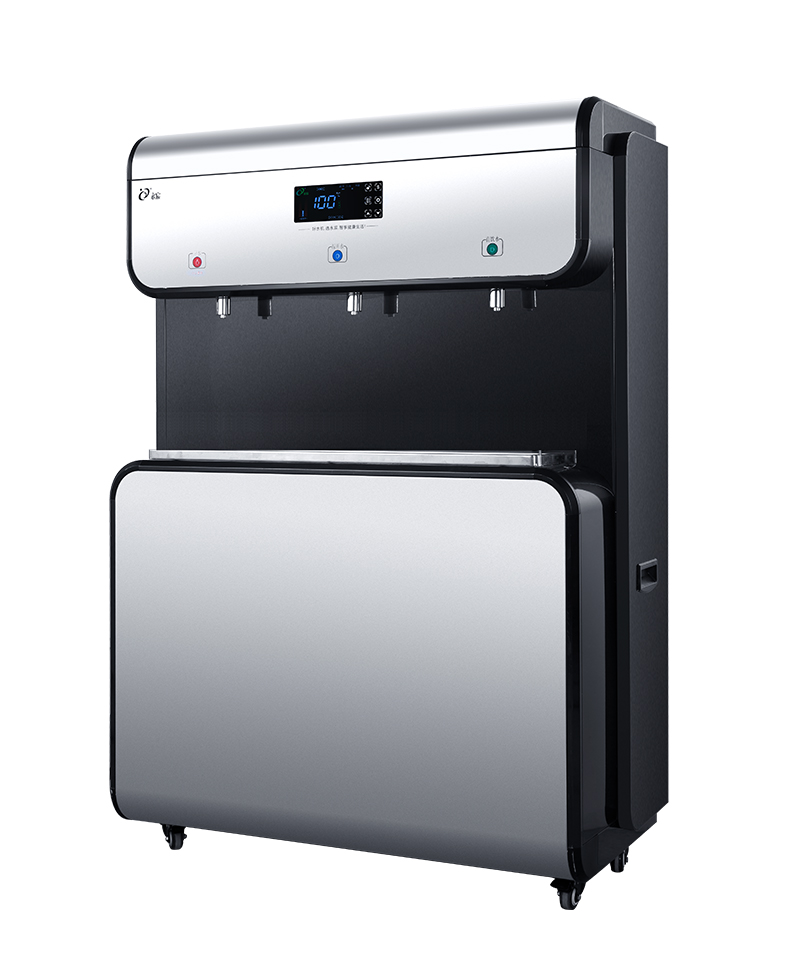
Nevertheless, despite being a people-benefiting initiative of great goodwill, this sector has seen many unethical manufacturers produce substandard campus direct drinking water equipment, misleading consumers with products that fail to meet quality standards and deliver the expected water quality. These defective devices still end up on the market, posing severe safety risks to consumers.
Below are the key considerations for selecting high-quality campus direct drinking water dispensers:First and foremost, as campus direct drinking water dispensers are drinking water products directly related to health and human wellbeing, manufacturers must obtain official water-related approval documents issued by competent government authorities. Without such certifications, the manufacturers are not recognized by the state, and the equipment they produce may have serious quality issues.
- Advanced technology, reliable performance and excellent hydraulic properties.
- Equipped with a pre-treatment protection device to prevent high-pressure pumps and reverse osmosis membranes from being damaged by hard particles.
- Spiral-wound composite membranes with high desalination rate and low operating pressure, which improve system efficiency and reduce operational costs.
- Separate flowmeters installed for product water and concentrated water to monitor and adjust water output and system recovery rate.
- An online conductivity meter for real-time monitoring of product water quality, with preset threshold values and alarm functions.
- Pressure gauges installed in the water inlet and drainage systems to monitor reverse osmosis pressure difference, indicate cleaning intervals, and enable comprehensive system monitoring and automatic meter display.
- Sensitive high and low pressure switches to prevent equipment damage under abnormal conditions and ensure stable system operation.
- An advanced membrane protection system that performs regular flushing of membrane surfaces to slow down contamination and extend membrane service life.
- The system achieves a desalination rate of over 95%, with individual membrane desalination rate exceeding 99%, featuring cost-effective operation and standardization.
- Customized design fully tailored to meet specific user requirements.